Dental emergencies strike without warning, turning ordinary days into urgent situations requiring immediate professional attention. Knowing which dental problems demand emergency care versus those that can wait prevents complications and saves teeth.
Time matters critically in dental trauma, with minutes often determining whether damaged teeth survive or require extraction. Understanding emergency signs helps you respond appropriately when dental crises occur.
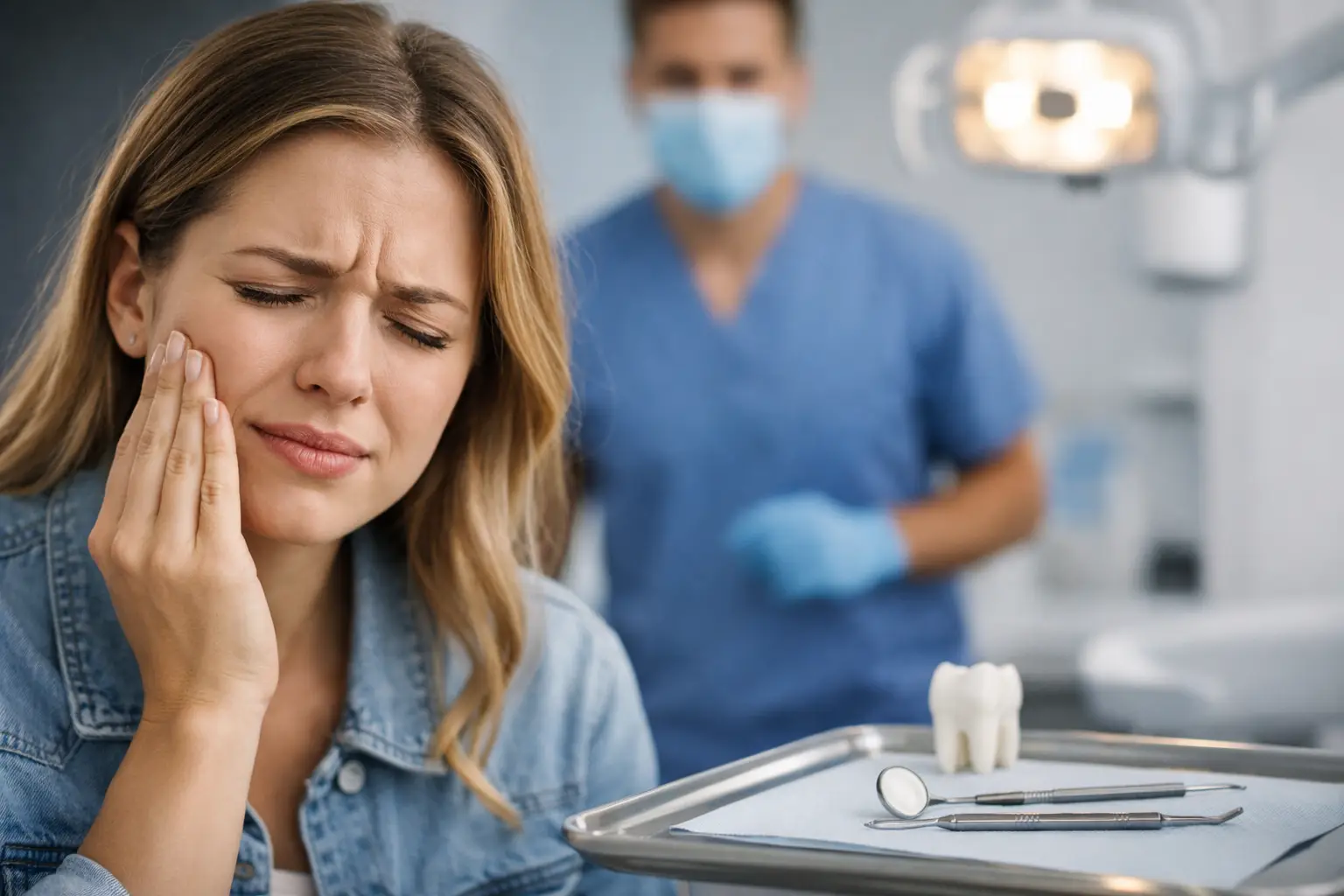
A dental emergency involves any situation threatening your teeth, gums, or oral tissues with permanent damage if not treated promptly. True emergencies include severe bleeding that won’t stop, infections spreading beyond the tooth, knocked-out permanent teeth, fractured jaws, and uncontrolled pain unresponsive to over-the-counter medication.
These situations require same-day treatment to prevent tooth loss, infection spread, or serious complications. Less urgent problems like broken teeth without pain or lost fillings causing discomfort need attention within 24 to 48 hours but don’t require dropping everything for immediate emergency dentist Brooklyn visits.
A completely avulsed permanent tooth requires reimplantation within 30 to 60 minutes for the best survival chances. Handle the tooth by its crown, rinse gently, keep it moist in milk or saliva, and reach emergency dental care immediately.
Uncontrolled bleeding from gums, tongue, or oral tissues lasting beyond 10 minutes despite applying pressure indicates potential artery damage or clotting problems requiring urgent professional intervention to prevent excessive blood loss.
Accidents causing facial swelling, jaw misalignment, difficulty opening your mouth, or severe facial pain suggest jaw fractures or tissue damage needing immediate evaluation to prevent permanent disfigurement or functional problems.
Painful swelling in the gums accompanied by fever, difficulty swallowing, or facial swelling indicates infection spreading beyond the tooth. Untreated abscesses can become life-threatening as bacteria enter the bloodstream.
Severe dental pain unresponsive to over-the-counter medication, especially when accompanied by swelling or fever, signals serious problems like deep infections requiring immediate treatment to prevent complications and provide relief.
Broken Tooth: Fractured teeth exposing inner dentin or pulp create sensitivity and infection risk. Sharp edges can cut the tongue or cheeks. Same-day treatment prevents bacteria from entering exposed tooth structure and causing more serious damage.
Lost Filling or Crown: Missing restorations leave teeth vulnerable to bacteria, temperature sensitivity, and further breakage. Exposed tooth structure weakens quickly, making prompt replacement crucial to prevent needing more extensive repairs later.
Cracked Tooth: Visible cracks causing pain when biting or temperature sensitivity indicate fractures extending into the tooth structure. Without prompt treatment, cracks deepen, potentially splitting teeth beyond repair and requiring extraction.
Object Stuck Between Teeth: Items wedged firmly between teeth that flossing can’t dislodge cause pain, gum damage, and infection. Professional removal prevents tissue injury and addresses any damage the trapped object has caused.
Loose Tooth: Adult teeth that suddenly loosen from trauma or infection need stabilization quickly. Prompt treatment often saves loose teeth, while delays increase chances of permanent tooth loss or bone damage.
Not every dental concern requires emergency treatment. Minor issues causing minimal discomfort can wait for scheduled appointments without risking serious complications or permanent damage to your oral health.
Non-urgent problems include:
Handle the tooth only by its crown, never touching the root. Rinse gently with water if dirty, but don’t scrub or remove attached tissue. Try placing it back in the socket if possible, or keep it moist in milk or the patient’s saliva. Call immediately for emergency care, as every minute counts for successful reimplantation.
Rinse your mouth with warm water to clean the area. Apply cold compress to your face near the broken tooth to reduce swelling. Save any tooth fragments you can find. Cover sharp edges with dental wax or sugarless gum if available to protect your tongue and cheeks until you reach the dentist.
Take over-the-counter pain medication as directed on the label. Apply cold compress to the outside of your face near the painful area for 15-minute intervals. Avoid extremely hot or cold foods and beverages. Never place aspirin directly on gums, as it burns tissue. Call for same-day emergency appointment.
Rinse your mouth gently with warm salt water. Place clean gauze on the bleeding area and apply firm pressure for 10 to 15 minutes. If bleeding continues, hold a moistened tea bag against the area, as tannic acid helps blood clot. Seek immediate care if bleeding doesn’t slow after 20 minutes of pressure.
Severe dental pain unresponsive to over-the-counter medication, especially when accompanied by swelling or fever, signals serious problems like deep infections requiring immediate treatment to prevent complications and provide relief.
Time critically affects outcomes in dental emergencies, with delays between injury and treatment determining whether teeth survive or complications develop. Knocked-out teeth have the highest survival rates when reimplanted within 30 minutes, with success dropping significantly after one hour.
Infections spread rapidly through oral tissues into the bloodstream, potentially becoming life-threatening within hours if untreated. Blood clots forming in empty tooth sockets after trauma protect healing tissues, but these clots dissolve or dislodge easily during the first 24 hours, requiring careful handling and prompt professional evaluation to ensure proper healing begins.
Sports Injuries: Contact sports and athletic activities cause dental trauma through direct blows, falls, or collisions. Mouthguards prevent many sports-related dental emergencies but aren’t always worn during recreational activities.
Biting Hard Objects: Ice, hard candy, popcorn kernels, and other hard foods crack teeth unexpectedly. Tooth fractures from biting hard objects often occur in teeth already weakened by decay or large fillings.
Falls and Accidents: Slipping on ice, tripping on stairs, or car accidents cause facial trauma resulting in broken teeth, jaw injuries, or knocked-out teeth requiring immediate emergency care.
Untreated Decay: Ignored cavities progress into tooth nerves, creating abscesses and severe infections. Many dental emergencies result from patients delaying treatment for minor problems until they become urgent.
Dental Work Failure: Old fillings crack, crowns loosen, or dental work breaks suddenly during normal chewing. These failures expose teeth to bacteria and require prompt replacement to prevent further damage.
Emergency dental appointments prioritize immediate pain relief and addressing urgent threats to your oral health. You’ll receive rapid evaluation to diagnose the problem, followed by treatment to stabilize the situation and prevent complications.
Emergency visit process includes:
New Wave Dentistry provides same-day emergency care for Brooklyn patients experiencing urgent dental problems. We prioritize emergency patients, working them into our schedule regardless of how busy the day becomes.
Dr. Ghannoum’s extensive experience treating dental emergencies ensures proper diagnosis and effective treatment that saves teeth and prevents complications. Our Bay Ridge location offers convenient access when minutes matter, with ample parking and extended hours that accommodate emergency situations.
Our emergency services include:
Wear Mouthguards During Sports: Custom athletic mouthguards protect teeth during contact sports and high-impact activities. Even recreational sports benefit from this simple protection that prevents thousands of dental injuries annually.
Address Dental Problems Promptly: Small cavities and minor chips become emergencies when ignored. Regular checkups catch problems early, and treating them immediately prevents urgent situations from developing.
Avoid Chewing Hard Objects: Never use teeth as tools to open packages, bite nails, or chew ice. These habits crack teeth and break dental work, creating emergencies.
Maintain Good Oral Hygiene: Brushing twice daily and flossing prevent decay and gum disease that lead to infections and abscesses. Healthy teeth resist damage better than weakened ones.
Visit Your Dentist Regularly: Professional cleanings and examinations every six months identify potential problems before they become emergencies. Dentists spot weakening fillings, developing decay, and other issues needing attention.
Keep Emergency Numbers Accessible: Store your dentist’s emergency contact information in your phone and share it with family members. Quick access to professional guidance improves emergency outcomes significantly.
Coverage applies equally to front and back teeth when plans include implant benefits. The visible location doesn’t affect reimbursement percentages or approval decisions by insurance companies.
Implants cost $3,000 to $5,000 per tooth total. With 50% insurance coverage, patients typically pay $1,500 to $2,500 out-of-pocket, depending on their specific plan.
Most plans don’t have time limits on tooth loss. However, some exclude coverage for teeth missing before coverage began under missing tooth clauses in policies.
Yes, implants qualify as medical expenses eligible for Health Savings Accounts and Flexible Spending Accounts even when dental insurance doesn’t provide coverage.
Most insurance companies require pre-authorization before implant surgery. This process confirms coverage and prevents surprise denials after treatment is already completed.
Yes. We reserve same-day slots specifically for emergency patients. Call us at (718) 491-5666, and we will do our best to see you the same day. You can also request an appointment online and note that it is urgent. Our average in-office wait time after arrival is 10 minutes
Hospital emergency rooms can’t perform dental procedures. Visit an emergency dentist Brooklyn practice for dental issues unless you have uncontrolled bleeding, breathing difficulties, or severe facial trauma.
Emergency visit fees range from $100 to $300 for examination and diagnosis. Treatment costs vary based on procedures needed, with most dental insurance covering emergency care.
Broken teeth need same-day attention to prevent infection and further damage. Most dental practices offer weekend emergency appointments for urgent problems requiring immediate care.
Many dentists offer payment plans, accept CareCredit financing, and work with patients on costs. Don’t delay emergency care due to cost concerns, as complications become more expensive.
Most emergency dentists see patients within one to two hours of calling. Life-threatening emergencies receive immediate attention, while urgent issues get same-day appointments.
Dental emergencies require quick action and professional care to prevent tooth loss, stop infections, and protect your oral health. Recognizing true emergencies versus problems that can wait helps you respond appropriately when dental crises strike. New Wave Dentistry stands ready to provide the urgent care Brooklyn residents need when dental emergencies happen.